
What to Do If You Encounter a Bear in Japan

With 157,455 bear incidents tracked, knowing how to react is essential. The key fact: most bears want to avoid you. In the vast majority of documented encounters, the bear flees once it detects a human. Preparation makes the difference in the rare cases it does not.
If the Bear Is Far Away (50m+)
Do not run. Raise your arms to appear larger. Back away slowly while facing the bear. Speak in a calm, low voice. Bears will usually leave once they identify you as human.
If the bear does not move, continue retreating and leave by a different route. If you see cubs, be extra cautious: mothers are more defensive. Report the sighting so other hikers are aware.
Do not run. Back away slowly while facing the bear.
If the Bear Is Close (Under 50m)
Do not run. Bears sprint 40-50 km/h, faster than any human. Avoid direct eye contact. Back away slowly using diagonal movement. If you have bear spray, unholster it and remove the safety clip.
Watch for stress signals: jaw-popping, huffing, ground-swatting. These mean the bear wants you to leave, not that it will attack. If the bear makes a short rush and stops, it is a bluff charge. Stand your ground. Running during a bluff can trigger a real charge.
Never turn your back. Prepare bear spray if you have it.
If the Bear Charges
Stand your ground. Most charges are bluffs. If you have bear spray, deploy it in a sweeping motion at 5-10 meters, aiming slightly downward. Bear spray has a 90%+ success rate.
Black bears (Honshu, Shikoku): fight back. Target the nose and eyes. Use rocks, trekking poles, fists. Black bears (50-120 kg) disengage when they meet resistance. Playing dead with a black bear can be fatal.
Brown bears (Hokkaido only): play dead. Lie face-down, hands interlaced behind your neck, legs spread wide. Keep your backpack on. Stay motionless until the bear leaves. Brown bears (up to 400 kg) are too large to fight. See the Hokkaido guide for more.
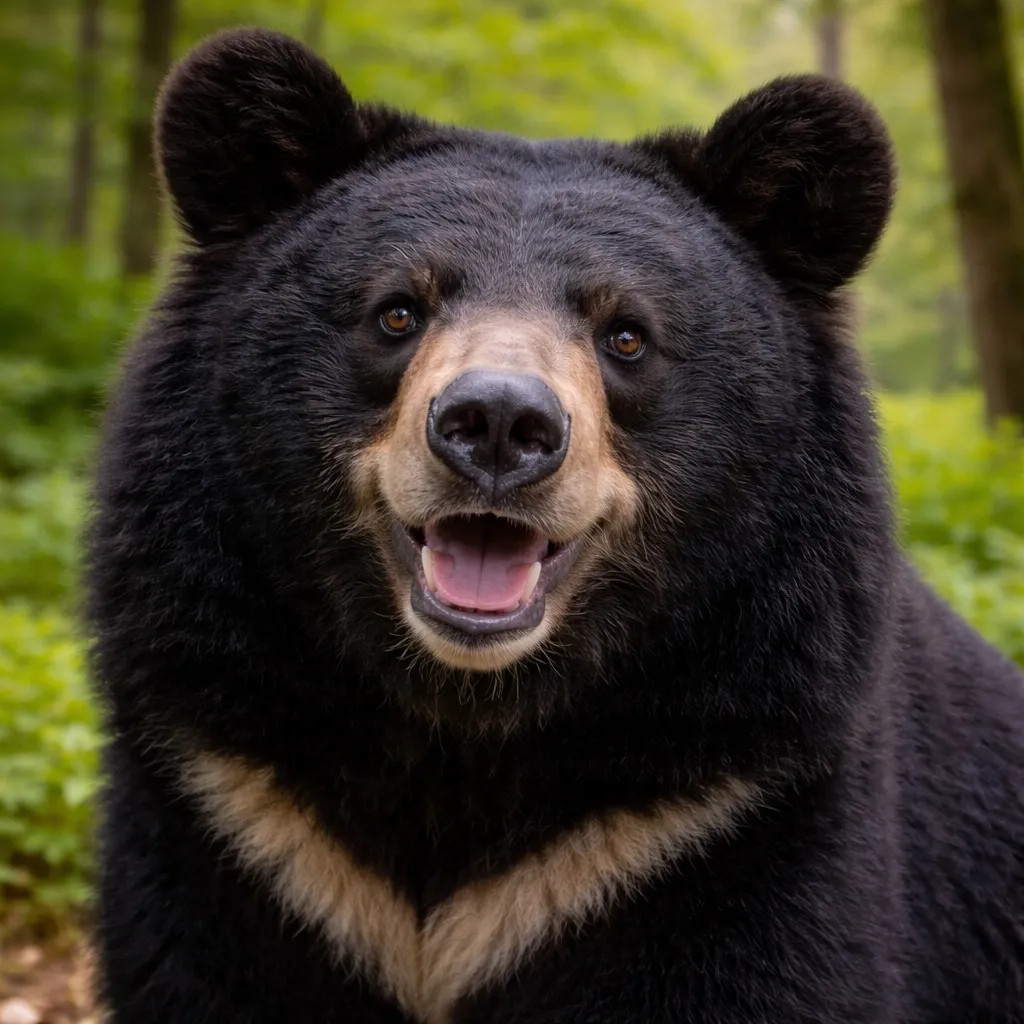
Fight back. Target the nose and eyes.
Honshu, Shikoku

Play dead. Lie face-down, protect your neck with your hands.
Hokkaido
Prevention Is Key
4,104 incidents in the last 30 days. Check the real-time map before heading out. The best encounter is one that never happens.
Bear bell on your pack so it rings with every step. Groups of 3+ have near-zero attack rates. Clap at blind corners and stream crossings. Avoid dawn (5-7 AM) and dusk (5-7 PM).
Never leave food or scented items accessible. Watch for bear signs: tracks, scat, claw marks on trees. If you see fresh signs, leave calmly and report them. See the gear guide for what to carry.
Make noise while hiking. The best encounter is one that never happens.
Hiking in bear country
Safety picks and trail essentials, top-rated on Amazon and Rakuten.
FAQ
Should I play dead with a bear in Japan?
Only with brown bears in Hokkaido. Face-down, protect your neck, spread your legs. For black bears (Honshu, Shikoku): fight back, targeting the nose and eyes. Know which species lives in your area before you go.
Does bear spray work in Japan?
Yes. 90%+ success rate in documented encounters worldwide. Cannot fly with it. Buy at Montbell (120+ stores), Amazon.co.jp, or rent from about 2,500 yen/3 days (Montbell) at outdoor shops across Hokkaido. See the gear guide for details.
How fast can bears run?
40-50 km/h. The fastest human sprinter reaches ~37 km/h. Never run from a bear. Back away slowly instead.
Are bears in Japan aggressive?
Generally no. Of 157,455 tracked incidents, the vast majority are sightings where the bear fled. Aggression occurs when surprised at close range, protecting cubs, or defending food. Bear bells virtually eliminate surprise encounters.
What should I NOT do during a bear encounter?
Never run. Never turn your back. Never make direct eye contact. Never approach, even if the bear seems calm. Never get between a mother and cubs. Never throw food at a bear. Never play dead with a black bear.
How effective is bear spray?
90%+ success rate. Concentrated capsaicin causes temporary burning in eyes, nose, and lungs. Effective range: 5-12m. Keep it in a hip holster, not your backpack. See the gear guide for buying options.


