
Bear Safety for Hiking in Japan: Data-Driven Guide

Kumamap tracks bear incidents across 629 hiking trails in Japan. Most encounters happen on low-elevation trails below 1,000m, not deep wilderness. Trails near residential areas and farmland are often riskier than alpine routes because bears forage where food is easiest. Check the real-time map before any hike.
Trails with the Most Bear Activity
The highest-incident trails run through transitional zones between forest and human settlement, near orchards, rice paddies, and abandoned farmland. These are popular day hikes, not remote backcountry routes.
The table below ranks the top trails by total incident count. Cross-reference with the real-time map before heading out. A historically active trail may be quiet today, while a normally safe trail can spike during a poor acorn year.
| # | Areas | Total |
|---|---|---|
| 1 | 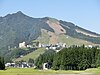 Meshishisan Niigata | 1,609 |
| 2 | 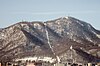 Mount Moiwa Hokkaido | 1,455 |
| 3 |  Shin'i take Hokkaido | 1,416 |
| 4 | 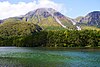 Mount Yake Nagano | 1,281 |
| 5 |  Iozen Ishikawa | 1,279 |
When Is It Safest to Hike?
October is the peak month for bear encounters, when bears enter hyperphagia (pre-hibernation feeding). They forage aggressively and are less likely to flee from hikers.
January through March are safest with bears in hibernation. April-May are low risk. Activity ramps up from July and peaks August through November. Dawn (5-7 AM) and dusk (5-7 PM) are highest risk. Hike between 10 AM and 3 PM for the lowest chance of an encounter. The chart below shows the full monthly breakdown. See the seasonal guide for trip planning.
Essential Safety Tips
Bear bell: Attach to your pack so it rings with every step. 500-3,000 yen at any outdoor shop. Supplement with clapping at blind corners. See the gear guide for buying options.
Bear spray: 90%+ success rate against charges. 8,000-22,000 yen. Cannot fly with it. Buy at Montbell (120+ stores) or Amazon.co.jp. Keep in a hip holster, not your pack.
Hike in groups of 3+. Groups have near-zero attack rates. Avoid solo hiking at dawn/dusk during peak months. Always check Kumamap before departing.
Food management: Store food 100m from your tent. Pack out all garbage. In an emergency, call 110 (police) or 119 (fire/ambulance).
Hiking in bear country
Safety picks and trail essentials, top-rated on Amazon and Rakuten.
FAQ
Is it safe to hike in Japan?
Yes. 64 of 629 tracked trails have zero incidents. Carry a bear bell, hike in groups, and check Kumamap before going. Avoid dawn and dusk during peak months.
Which hiking trails have no bears?
Trails in Kyushu, Chiba, and Okinawa have zero bear activity. 64 trails in bear-free prefectures have recorded no incidents. See the safe areas guide.
What month is safest for hiking in Japan?
January through March (hibernation). Near-zero incidents. April-May also low risk. October is the peak month. See the seasonal guide for monthly data.
Is Mount Fuji safe from bears?
Mount Fuji has very low activity due to high hiker volume and sparse forest at altitude. The forested lower slopes have occasional black bear sightings. Carry a bear bell as precaution.
Do I need bear spray in Japan?
Strongly recommended in Hokkaido, Akita, Iwate, and mountain areas of Nagano. Cannot fly with it. Buy after arriving: 8,000-22,000 yen. See the gear guide.
How common are bear attacks on hiking trails?
Rare. Of 629 tracked incidents, the vast majority are sightings where the bear fled. Fatal attacks on hikers have increased. 13 deaths in 2025 set a record. Bear bells and group hiking virtually eliminate surprise encounters.


